
Local SEO
Local SEO that puts you in front of nearby customers
Get found when people in Kampala and across Uganda search for what you offer — with a complete Google Business Profile, consistent details, location content and genuine reviews.
- Google Business Profile
- Consistent NAP
- Review process
- Local citations
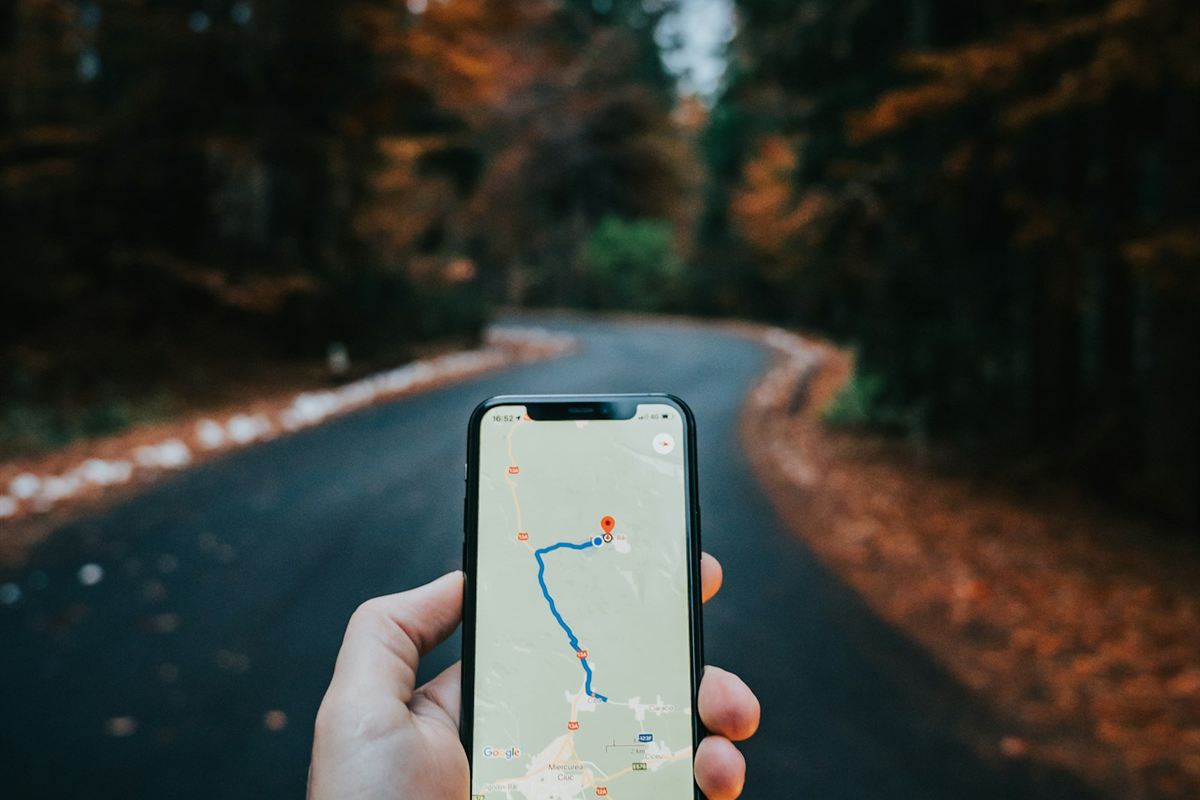
Why local search matters for Ugandan businesses
Someone in Ntinda searches for “pharmacy near me”, or a parent looks for “primary schools in Mukono”. A visitor types “hotel near Entebbe airport”. Search engines treat each of these as a local search. They show a map with a handful of businesses, followed by ordinary results weighted towards the searcher’s location. For clinics, schools, hotels, shops, salons, garages, law firms and many others, local results bring the most valuable enquiries. These people are nearby and ready to act.
Local SEO is the work of making your business eligible and competitive for those results. It combines your Google Business Profile, consistent business details across the web, location-relevant content on your website, genuine reviews and local mentions. This page explains each part and how we approach it for businesses in Kampala and across Uganda. For our wider SEO service, see SEO services in Uganda.
What influences local results
Google describes three main factors for local results:
Relevance
How well your listing and website match what the person searched for — your categories, services and descriptions.
Distance
How far your business is from the searcher or the location in their search. You can’t change this, but you can make your location clear.
Prominence
How well known your business is: reviews, mentions on other websites, links and your overall web presence.
Local SEO improves relevance and prominence. It also makes sure Google measures distance from your correct, verified location.
Your Google Business Profile
The free Google Business Profile is the listing that appears in Google Maps and the local “map pack”. For most local businesses it is the single most influential local SEO asset. A complete profile includes accurate categories, services, opening hours, phone number, website link, photos, attributes and a clear description. We cover profile setup and optimisation in detail on our Google Business Profile page.

Consistent name, address and phone number
Search engines cross-check your business details across the web. If your website says one address, your Google profile another and an old directory a third, confidence in all of them falls — and customers get lost. In Uganda this is common: businesses move offices, change phone numbers or list a plot number on one site and a building name on another.
- decide on one exact format for your business name, address and main phone number;
- use it on your website footer and contact page, your Google Business Profile and social media profiles;
- update or remove old listings in directories that show former addresses or numbers;
- keep the same format when submitting to new directories or association listings.
Many Ugandan addresses rely on landmarks and building names. Use your official address in structured places, and add helpful directions — “2nd floor, opposite the fuel station” — in your description and contact page.
Location-relevant content on your website
Your website should make it unmistakable where you are and which areas you serve. That doesn’t mean stuffing “Kampala” into every sentence. It means:
- a contact page with your full address, a map link, directions and opening hours;
- service pages that mention the areas you genuinely serve, where it is natural to do so;
- for multi-branch businesses, a separate, genuinely useful page for each branch with its own address, phone, hours and photos;
- local information visitors value — parking, landmarks, delivery areas, travel times;
- LocalBusiness structured data that matches your visible details.
Avoid creating dozens of near-identical “services in [town]” pages with only the place name changed. They provide little value to visitors and search engines increasingly ignore or penalise them.
Reviews: earning them honestly
Reviews influence both local rankings and whether a customer chooses you. The number, recency and content of reviews all matter, as does how you respond.
Ask at the right moment
Request a review shortly after a positive interaction — a completed project, a resolved problem, a pleasant stay.
Make it easy
Share your profile’s review link by WhatsApp or SMS, or print a QR code at your reception desk.
Respond to every review
Thank positive reviewers and reply calmly and helpfully to complaints. Other customers read your replies.
Never buy or fake reviews
Fake reviews breach platform policies, can get your profile suspended and destroy trust when discovered.

Local citations and mentions
A citation is any mention of your business details on another website: business directories, industry associations, chambers of commerce, local news, supplier and partner pages. Relevant, accurate mentions reinforce your prominence. We focus on quality over quantity — a mention from a respected Ugandan industry body or local publication is worth far more than dozens of low-quality directory listings.
| Useful sources | Why they help |
|---|---|
| Industry and professional associations | Relevance to your sector and credibility |
| Partners, suppliers and clients | Genuine relationships and local connection |
| Local news and community sites | Prominence and real-world visibility |
| Reputable directories | Consistent details and discovery |
| Event and sponsorship pages | Mentions tied to local activity |
Businesses with several branches
Banks, clinics, schools, supermarkets and service companies often operate from several locations. Each branch that serves customers in person can usually have its own Google Business Profile and its own page on your website with branch-specific details, photos and staff contacts. We set up a consistent structure so branches don’t compete with each other and head office can manage them centrally.
Service-area businesses
Some businesses don’t receive customers at an address — plumbers, mobile mechanics, cleaners, delivery services, event companies. Google allows these businesses to hide their address and define a service area instead. Your website then needs to make the service areas clear and explain how customers book. We help configure this correctly so you remain visible without publishing a home address.

Photos, posts and keeping your profile active
Profiles with real, recent photos and regular updates tend to earn more engagement. Customers want to see the building entrance, reception, rooms or products, and the team. Useful habits:
- add genuine photos of your premises, signage, staff at work and products — not stock images;
- update photos when you renovate, move or launch something new;
- publish occasional posts about offers, events, new services or holiday hours;
- answer questions customers ask on the profile, and keep answers current;
- update special hours for public holidays such as Independence Day or Christmas.
Common local SEO mistakes
| Mistake | Consequence |
|---|---|
| Adding keywords or locations to the business name on Google | Breaches guidelines and can lead to suspension |
| Duplicate profiles for the same location | Reviews and signals split; confusion for customers |
| Wrong primary category | Profile doesn’t appear for the most relevant searches |
| Old phone numbers in directories | Missed calls and reduced trust in your details |
| Ignoring negative reviews | Prospective customers assume complaints are true |
| Website without a clear address or contact page | Weaker relevance signals and fewer enquiries |
What a good location page includes
Where a business has a real branch or office in a location, a dedicated page can serve searchers there. A useful location page gives the full address, directions with landmarks and a map link. It lists branch phone and WhatsApp numbers, opening hours and the services that branch offers. Add photos of the premises, the branch team, and parking or transport tips. If you can’t fill a page with this kind of genuinely local information, it is probably better not to create it.

Measuring local results
Judge local SEO by enquiries, not just rankings. We track:
- calls, direction requests and website clicks from your Google Business Profile;
- searches that found your profile and the queries used;
- local rankings for priority searches from relevant locations;
- enquiries and calls arriving through your website;
- review volume, rating trend and response rate.
Local SEO by sector
Hospitals and clinics
Accurate hours, emergency contact details, departments and directions matter most. Patients often search in a hurry on mobile.
Hotels and lodges
Photos, amenities, location relative to landmarks and up-to-date contact details compete with booking platforms for direct enquiries.
Schools
Parents search by area and level. Clear admissions information and a well-maintained profile with photos help. See school website design.
Shops and service businesses
Product categories, opening hours and reviews drive visits. Always update seasonal hours and holiday closures.
How we run a local SEO project
Audit
We review your Google Business Profile, website, existing listings, reviews and how competitors appear for your key searches.
Fix the foundations
Profile completeness and verification, consistent details everywhere, contact and location pages and LocalBusiness markup.
Build prominence
A review process your staff can follow, relevant citations and local mentions.
Report
Regular reports on profile actions, enquiries and local visibility, with next steps.

Realistic expectations
Profile fixes can affect visibility within weeks, while reviews and prominence build over months. Distance remains a factor nobody can change: a business in Ntinda will rarely appear first for someone searching in Entebbe. We focus on the searches and areas where you can realistically compete, and we never promise top positions.
Your next step
Tell us your business name, location and the searches you want nearby customers to find you for. We will review your Google Business Profile, your website’s contact details and the main directories that list you, then agree a local plan with clear measures such as calls and direction requests.
Local SEO questions
Do I need a website for local SEO?
A Google Business Profile can work without one, but a good website strengthens relevance and gives customers more information. Most local businesses benefit from both.
Should I create a page for every town I serve?
Only where you have genuinely useful, distinct information for that location, such as a real branch. Near-identical town pages rarely help.
Can you remove bad reviews?
You can only report reviews that break Google’s policies. For genuine negative reviews, a calm, helpful reply is the best response.
How long does local SEO take?
Profile improvements can show within weeks; reviews and prominence build over months.
My business has moved. What should I update first?
Your Google Business Profile, website contact page and footer, then social profiles and the main directories that list your old address.
Should we respond to reviews in local languages?
Reply in the language the reviewer used where you can, keeping it polite and professional. Other customers read replies, so clarity matters more than length.
Do social media pages help local SEO?
Indirectly. Facebook, Instagram and LinkedIn pages with consistent details reinforce your identity and give customers another way to find you. But your Google Business Profile and website matter more for local search results.
Can you help businesses outside Kampala?
Yes. We do most local SEO work remotely, so it works anywhere in Uganda.